Source Handheld Acne Treatment Plasma Pen for Salon, Home, Beauty Center
Find 30 verified listings for the handheld acne treatment plasma pen designed for spot removal, pore cleaning, and skin rejuvenation. Buyers can compare voltage, power, and tip options from suppliers in Guangdong, China.
Key considerations
Products List


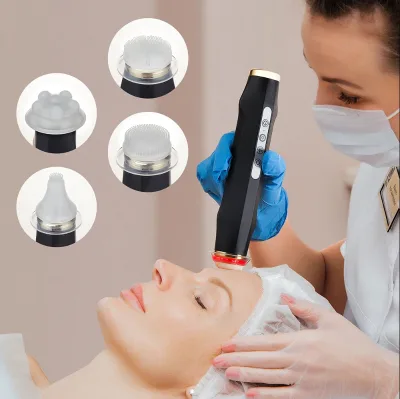


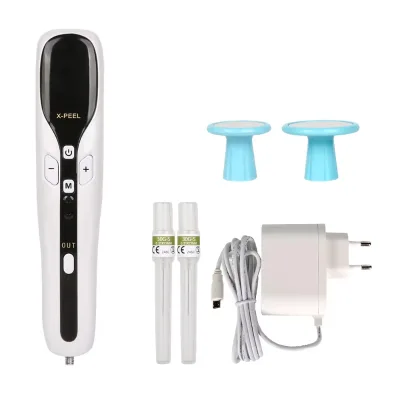
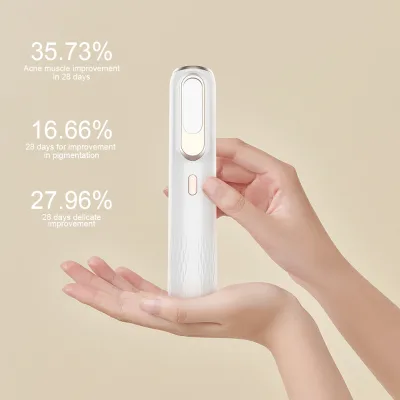
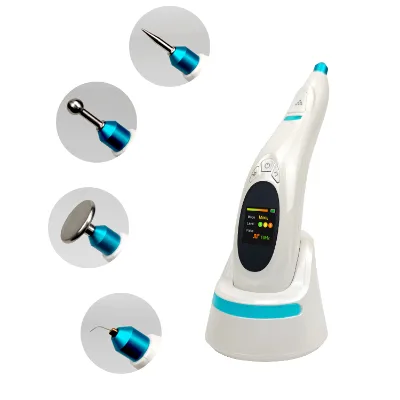
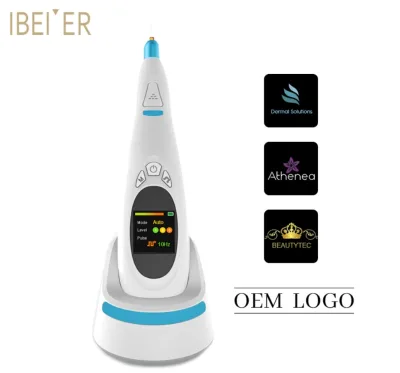
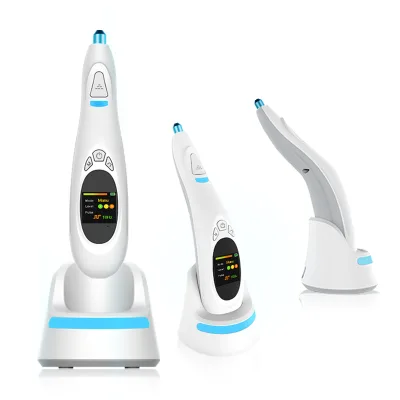
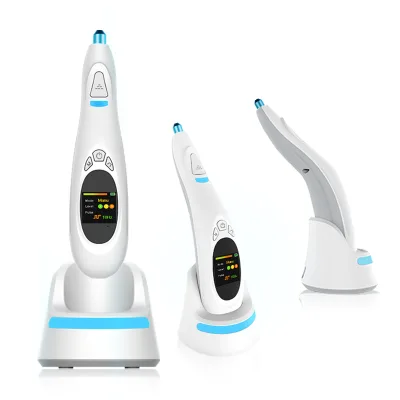
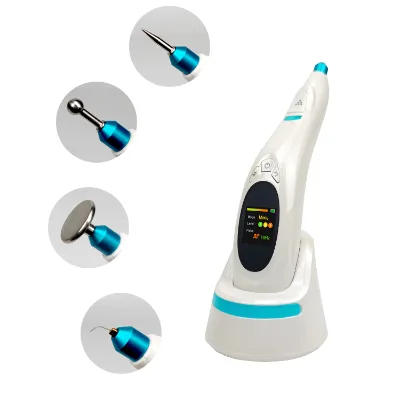
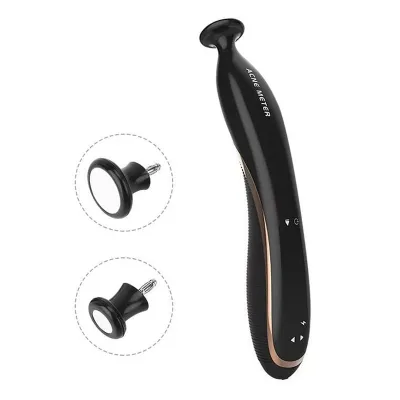
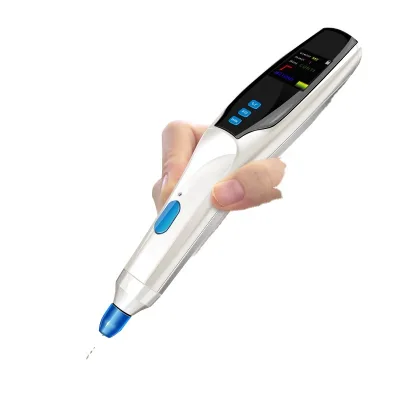
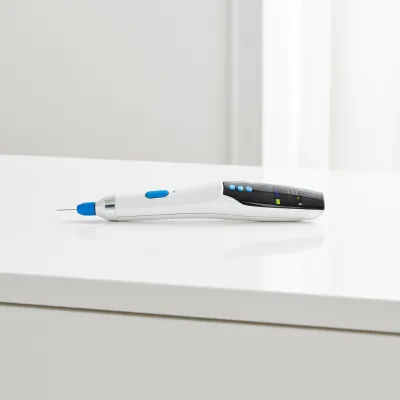
Comprehensive Sourcing Guide
Strategic Sourcing Guide for Handheld Acne Treatment Plasma Pen Equipment
The global demand for non-invasive aesthetic solutions has driven significant interest in handheld plasma pen technology, specifically devices marketed for acne treatment and skin rejuvenation. For B2B procurement professionals, navigating this market requires a disciplined approach that separates marketing assertions from verifiable technical specifications. The core keyword "handheld acne treatment plasma pen" encompasses a diverse range of devices, from basic spot removal tools to advanced systems capable of deep cleaning and pore reduction. This guide provides a structured framework for evaluating suppliers, understanding technical parameters, and ensuring compliance without relying on unverified claims.
Technical Specifications and Operational Parameters
When evaluating a handheld plasma pen, the primary focus must be on the device's electrical and mechanical capabilities. The supplied data indicates a wide variance in power consumption and output modes, which directly impacts treatment efficacy and safety. Buyers should verify that the device operates within a standard voltage range of 110V to 240V, accommodating 50/60Hz frequencies to ensure global compatibility. A critical distinction in the market is the power source; some units are designed for plug-in operation with a power consumption of approximately 26W, while others offer a hybrid design with battery options, consuming as little as 2W to 27W depending on the mode.
The output mode is another essential technical differentiator. Advanced units support both continuous and pulse modes, with pulse frequencies ranging from 10Hz to 200Hz. Specific models list frequencies such as 15Hz to 150Hz, allowing practitioners to adjust the intensity for different skin types and treatment depths. The physical dimensions of the device also vary significantly. While some compact units weigh as little as 0.1kg with a body weight of 174g, larger professional units may weigh up to 2.6kg. The treatment area is typically limited to the face, eye area, nose, and mouth, with specific attention to skin wound depths, which are often cited around 0.06mm for precision work.
| Feature Category | Low-End/Compact Specifications | High-End/Professional Specifications |
|---|---|---|
| Power Source | Battery or Plug (Optional) | Plug-in (26W) or High-Capacity Battery |
| Weight | 0.1kg to 174g (Body) | 2.0kg to 2.6kg |
| Output Mode | Continuous or Pulse (10-200Hz) | Continuous, Pulse (15-150Hz) |
| Voltage | 110V-220V | 110V-240V, 50/60Hz |
| Treatment Area | Face, Nose, Mouth | Face, Eye Around, Deep Clean |
| Tip Configuration | 3 Tips of Different Size | Stainless Steel Needles (Various Sizes) |
Compliance and Certification Verification
In the medical and aesthetic device sector, certification is not merely a marketing badge but a fundamental requirement for legal operation and liability protection. The most frequently observed certification in the provided data is the CE mark, indicating conformity with health, safety, and environmental protection standards for products sold within the European Economic Area. However, the presence of a CE certificate in a product listing does not automatically guarantee that every unit in a batch meets the standard. Buyers must request the specific test reports and certificates for the exact model number being purchased, such as models A4G, A4Z, or A4W.
Beyond CE, procurement teams should verify if the device meets other regional standards, such as FDA clearance for the US market or local health authority approvals in the target sales region. The data mentions a "Packing size" standard of 25cm17cm8cm for some units, which may relate to shipping compliance, but this does not equate to a product safety standard. It is crucial to distinguish between packaging standards and product certification. When evaluating a supplier, ask for the full certificate documentation, including the issuing body and the scope of the certification. Ensure that the certificate explicitly covers the specific function of "acne treatment" or "skin rejuvenation," as some devices are certified only for general cosmetic use and may not legally support therapeutic claims for acne removal.
Cost Drivers and Pricing Structure
The observed price range for these devices spans from $17.20 to $1,140.20 USD, a variance that reflects differences in build quality, power output, and included accessories. The lower end of the spectrum typically corresponds to compact, battery-operated units with basic features, such as the 2W power consumption models weighing 0.1kg. These are often marketed for personal use or small home-based businesses. In contrast, the higher price points are associated with professional-grade units featuring higher power consumption (up to 26W), robust construction, and comprehensive tip sets.
Several factors influence the final cost. First, the inclusion of a battery or the option for plug-in operation adds to the manufacturing cost. Second, the complexity of the tip system, such as the "3 Tips of Different Size" configuration, impacts the price. Third, packaging plays a role; units coming in a "Gift Box" or "Carton Packing" with specific dimensions (e.g., 373012cm) may carry a premium over standard box packaging. Additionally, the warranty period, often listed as 1 Year, is a significant cost driver. Devices with extended warranties or comprehensive after-sales support will naturally command a higher price. Buyers should also consider the cost of consumables, such as replacement needles or tips, which are often made of stainless steel and may need periodic replacement.
Typical Applications and Clinical Scope
The functional scope of these handheld plasma pens is broad, extending beyond simple acne removal to include spot removal, pore reduction, deep cleaning, and skin rejuvenation. The data explicitly lists applications for "Salon, Home," "Beauty Center," and "Personal" use, indicating a versatility that appeals to various business models. The treatment areas are consistently identified as the face, eye area, nose, and mouth, with specific capabilities for blackhead removal and blood vessel removal.
For B2B buyers, understanding the clinical limitations is vital. While the devices are marketed for "acne treatment," the specific mechanism involves plasma energy to treat skin wounds, with a noted depth of 0.06mm. This suggests the device is suitable for superficial treatments rather than deep tissue reconstruction. The "Spot Removal" and "Tattoo" functions mentioned in the data imply a capability for pigment removal, which is a related but distinct service from acne treatment. Procurement professionals must ensure that the marketing materials provided by the supplier align with the actual technical capabilities of the device to avoid misleading end-users. The "Portable" nature of the device allows for mobile beauty services, expanding the potential market reach for salon owners and independent practitioners.
Supplier Evaluation and Origin Analysis
Geographic origin is a consistent factor in the supply chain for these devices, with the majority of listed products originating from Guangdong, China, specifically Guangzhou. This region is a known hub for aesthetic equipment manufacturing, offering a mature supply chain for electronic components and metal parts. When evaluating suppliers, buyers should verify the specific location, as "Guangdong, China (Mainland)" and "Guangzhou, China" are distinct entries in the data. While this does not inherently indicate quality differences, it helps in logistics planning and understanding the local regulatory environment.
Supplier reliability can be assessed through their response to customization requests and their transparency regarding product models. The data shows multiple model numbers (A4G, A4Z, A4W), suggesting that suppliers may offer different configurations under similar branding. A trustworthy supplier will clearly distinguish between these models and provide detailed specifications for each. Furthermore, the availability of video demonstrations is a positive indicator of supplier confidence in their product. Buyers should request video proof of the device in operation, specifically showing the plasma tip interaction with skin or a simulation model, to verify the "Continuous" and "Pulse" modes.
Quality Control and Long-Term Procurement
Quality control in the plasma pen market hinges on the consistency of the output and the durability of the components. The "Needle Material" is specified as Stainless Steel, a standard that ensures hygiene and resistance to corrosion. However, buyers must verify the grade of the steel and the manufacturing process to ensure the tips do not degrade quickly. The "Life Time" of the battery, noted as "Full Charged, Max 2 Hours," is a critical performance metric that degrades over time. Long-term procurement strategies should include a plan for battery replacement or a warranty that covers battery performance degradation.
Lead times and delivery schedules are also part of the quality assurance process. The data indicates a delivery window of "2~3 Working Days After Confirming Payment," which suggests a responsive supply chain. However, this should be confirmed in the final contract, as shipping times via carriers like DHL, UPS, or TNT can vary based on destination. The "MOQ" (Minimum Order Quantity) is observed to be as low as 1PC, which is favorable for small businesses testing the market, but larger orders may require negotiation on pricing and lead times.
For long-term success, buyers should establish a relationship with a supplier that offers ongoing support, including technical training and access to replacement parts. The "Customization" feature listed in the data suggests that suppliers may be willing to adapt the device for specific branding or functional requirements. This flexibility can be a significant advantage for businesses looking to differentiate their service offerings. Finally, the "Warranty" of 1 Year should be clearly defined in terms of coverage, including whether it covers the battery, the main unit, or the tips. A comprehensive warranty policy is a strong indicator of a supplier's confidence in their product's longevity and reliability.
FAQs
What certifications do handheld acne treatment plasma pens have?
The devices typically carry CE certification for European safety standards. Buyers must request specific test reports for the exact model, such as A4G or A4Z, to verify compliance before purchase.
How much do handheld acne treatment plasma pens cost?
Prices range from 17.2 to 1140.2 USD depending on build quality and features. Lower costs correspond to compact battery units, while higher prices reflect professional plug-in models with robust construction.
Can these devices operate with a battery or plug?
Yes, some models offer battery or plug options for flexible operation. Other units are designed strictly for plug-in use with power consumption around 26W, while battery versions consume as little as 2W.
Which specifications define the output modes of these pens?
Advanced units support continuous and pulse modes with frequencies from 10 to 200Hz. Specific models list ranges like 15Hz to 150Hz, allowing intensity adjustments for different skin types and treatment depths.
What is the minimum order quantity for these devices?
The minimum order quantity is as low as 1 piece for many suppliers. This low MOQ allows small businesses to test the market without committing to large initial inventory purchases.
How long does delivery take after payment confirmation?
Delivery typically occurs within 2 to 3 working days after confirming payment. Shipping is handled via carriers like DHL, UPS, or TNT, with actual transit times varying by destination.
Where are these plasma pens manufactured?
Most units originate from Guangdong, China, specifically Guangzhou. This region is a known hub for aesthetic equipment manufacturing, offering a mature supply chain for electronic components and metal parts.